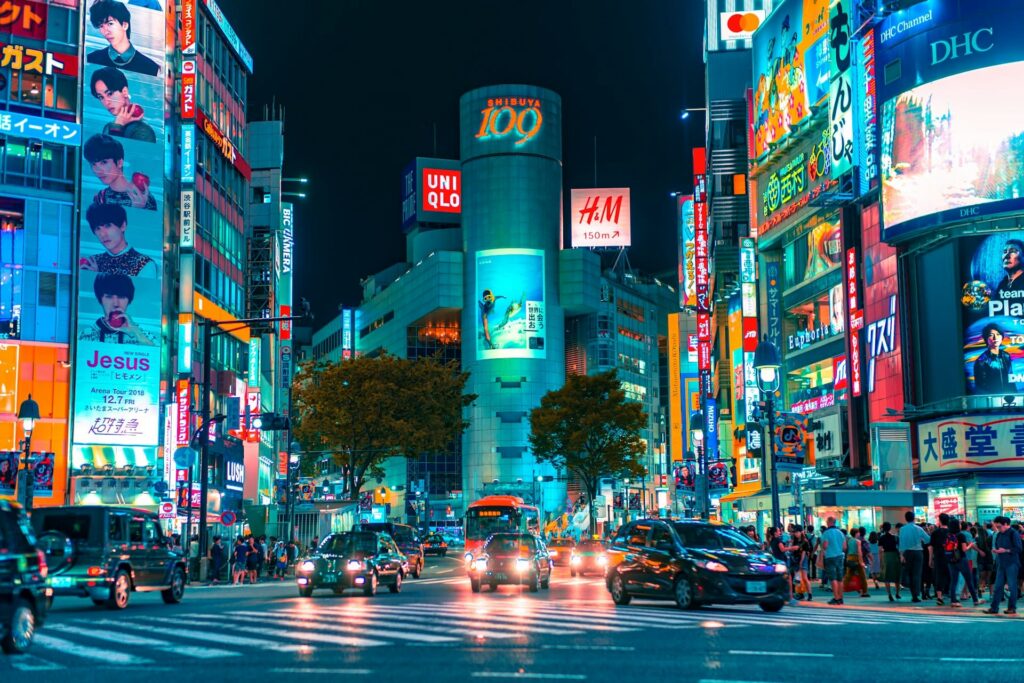
The Allure of the Rising Sun: A Journey Between Future and Tradition

Japan is a land of extraordinary contrasts. It is a place where maglev trains hurtle at five hundred kilometers per hour past thousand-year-old Buddhist temples, and where the neon-lit skyscrapers of Tokyo coexist with the tranquility of Kyoto’s Zen gardens. For anyone who visits, the Land of the Rising Sun is not just a destination, but an experience that redefines the very concept of travel.
1. Tokyo: The Metropolis of the Future
The journey naturally begins in Tokyo, one of the largest and most populated metropolitan areas in the world. Districts like Shibuya, famous for its record-breaking pedestrian scramble, and Shinjuku embody the country’s hyper-technological and fast-paced soul.
Yet, even in the heart of modernity, Japan does not forget its roots: just a short walk from the electronics shops of Akihabara, you can find yourself immersed in the silence of the Meiji Shrine, surrounded by a sacred forest of over 100,000 trees.
2. Kyoto and Eternal Tradition
If Tokyo is the beating heart of the present, Kyoto is Japan’s historical soul. The imperial capital for over a thousand years, the city is home to thousands of classical temples, Shinto shrines, and historic palaces.
-
The Golden Pavilion (Kinkaku-ji): A Zen temple entirely covered in gold leaf that reflects beautifully over a flawless pond.
-
Fushimi Inari-Taisha: Famous for its hillside paths framed by thousands of vibrant red torii gates.
-
Gion: The geisha district, where a brilliant evening stroll among traditional wooden townhouses (machiya) feels like stepping back in time.
3. Pop Culture and Global Phenomenon
Today, Japan influences the entire world through its pop culture. Anime, manga, video games, and J-Pop have long ceased to be niche interests, becoming pillars of global entertainment. Neighborhoods like Akihabara and Harajuku are true pilgrimage sites for young people worldwide, drawn by streetwear fashion and the latest tech trends.
4. Gastronomy: Much More Than Sushi
Japanese cuisine (known as Washoku) has been declared an Intangible Cultural Heritage by UNESCO. It is not just about sushi and sashimi; the culinary offerings are immense and prepared with meticulous care.
| Dish | Description |
| Ramen | Wheat noodles served in a meat or fish broth, flavored with soy sauce or miso, and topped with sliced pork and eggs. |
| Tempura | Seafood and vegetables that have been battered and deep-fried, celebrated for its incredible lightness. |
| Okonomiyaki | A savory pancake or “Japanese pizza” typical of Osaka and Hiroshima. |
| Matcha | Finely ground powder of specially grown and processed green tea leaves, the star of the tea ceremony. |
5. The Philosophy of Harmony and Nature
What truly makes Japan unique is its life philosophy, deeply connected to the cycle of the seasons.
The concept of Hanami, the custom of enjoying the transient beauty of cherry blossoms (sakura) in spring, is more than just a festival—it is a profound reflection on the fleeting nature of life.
Similarly, the meticulous care for order, public cleanliness, and mutual respect (expressed in the concept of Omotenashi, Japanese hospitality) leaves every traveler with a sense of deep admiration.
Conclusion
Japan is a country that manages to surprise and fascinate at the same time. Whether you are drawn to cutting-edge robotics, the spirituality of the monks on Mount Koya, or simply the extraordinary food, one thing is certain: a trip to Japan permanently changes how you view the world.